Single-Sided vs Dual-Sided Power - Finding the Best Power Meter for Cycling
Gepostet von Andrew Davidson am June 15, 2026
Single-Sided or Dual-Sided? It’s one of the most common questions we hear from cyclists considering a power meter — and one of the biggest decisions when it comes to finding the best power meter for cycling. Ultimately, there’s no wrong decision; the right choice depends on your goals, your budget, and how deep you want to go with your data. If you’re in the market for a power meter or looking to add power meters to more of the bikes in your stable, here are some points that may help you make the choice that’s right for you!

What’s the Difference?
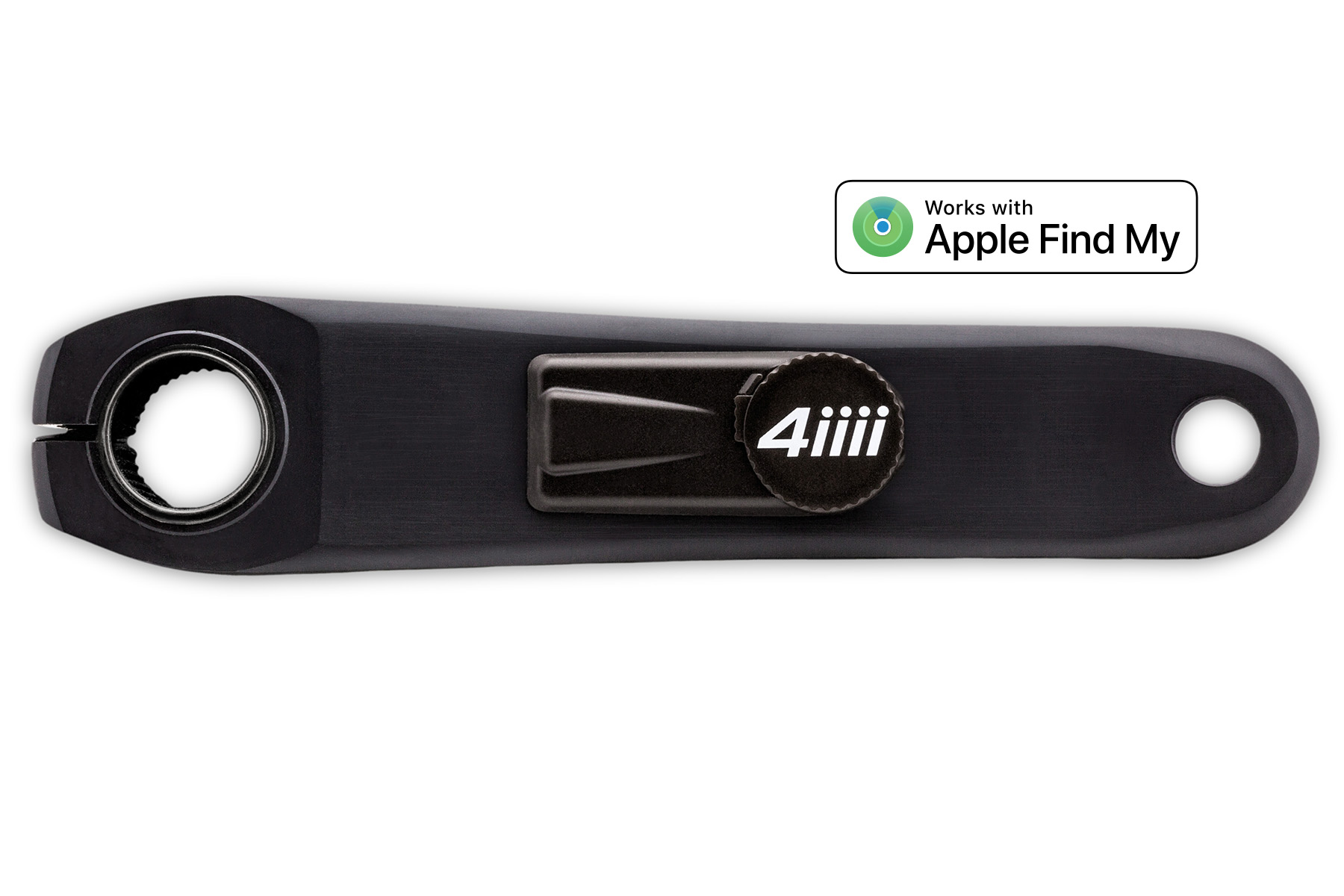
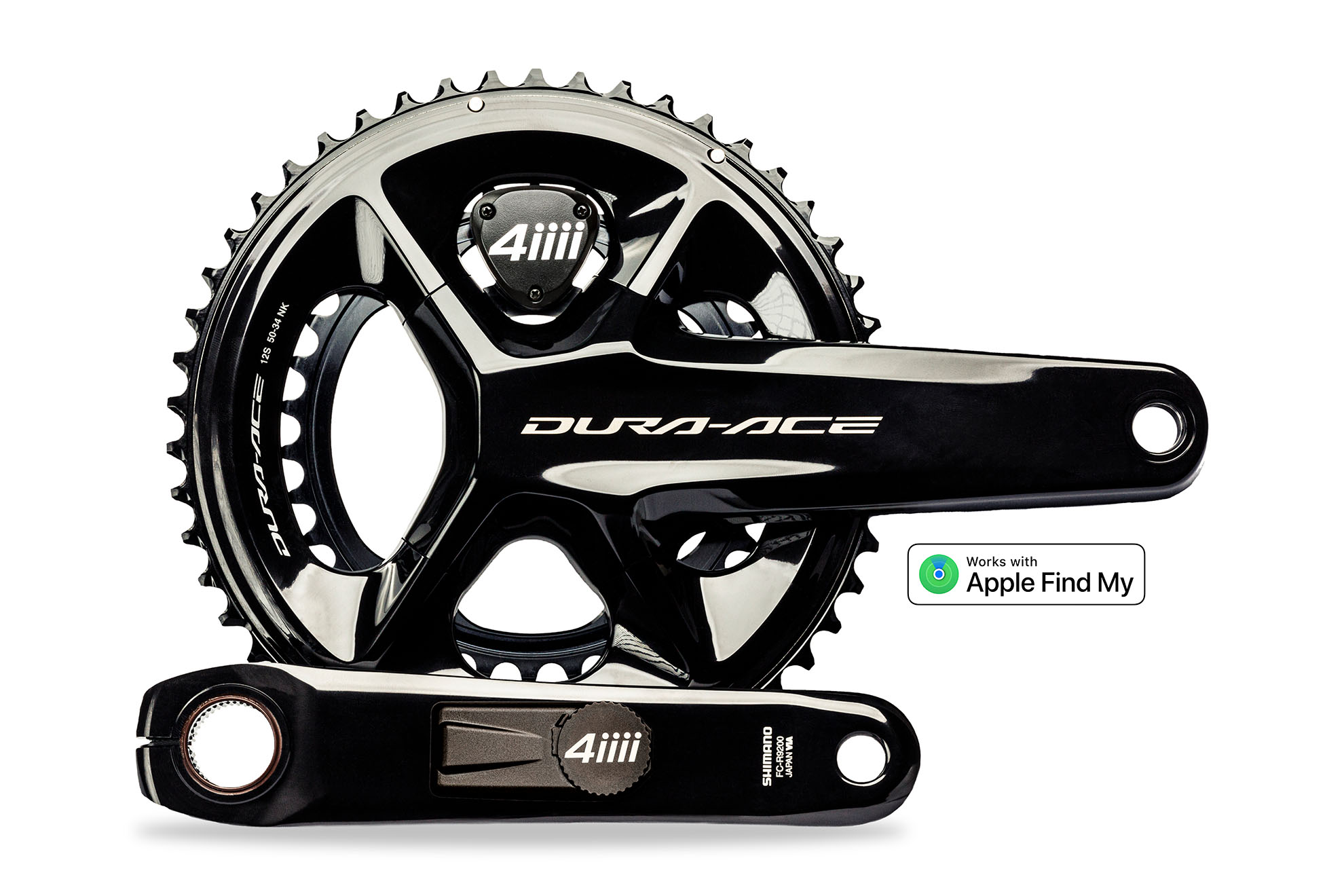
Let’s start with a basic understanding of what we’re discussing when we say “single-sided” and “dual-sided” crank-based power meters. A single-sided power meter means that only one of the two cranks has a power meter built on to it, and as a result, you’re measuring the output of one leg. To calculate the total power output of a rider, the single-sided data is doubled, which is what you’ll see on your cycling computer, training app, etc. So, for example, if you have a single-sided power meter on your left crank arm, and your left leg is producing 125W, your computer will display 250W as your total output. As you have likely deduced, a dual-sided power meter is a crankset with a power meter installed on both crank arms. This means each leg is being independently measured and transmitting unique data, so if your left leg is producing 150W and your right leg is producing 145W, you’ll get a total power output reading of 295W - the exact output number, as opposed to one side being doubled.
Shared Features:
We’re proud to say that whether you opt for a single-sided PRECISION 3+ Powermeter or dual-sided PRECISION 3+ PRO Powermeter, you’re getting an extensive list of features. When it comes to power meter accuracy, both models deliver within +/- 1%, giving you confidence in your data whether you’re training or racing. Additionally, they share key features such as Apple Find My integration, automatic terrain selector, IPx7 waterproofing, and a 3 year warranty.
| Feature | PRECISION 3+ PRO | PRECISION 3+ | ||
|---|---|---|---|---|
| Typ | Beidseitig | Nichtantriebsseite | ||
|
|
|
|||
|
|
|
|||
|
|
|
|||
|
|
|
|||
|
|
|
|||
|
|
- | |||
| CR2032 Knopfzelle |
|
|
||
| bis 550 Std. | bis 800 Std. | |||
| IPx7 | IPx7 | |||
| Trittfrequenzbereich | 30 - 170 rpm | 30 - 170 rpm | ||
| Leistungsmessbereich | 0 - 4,000 W | 0 - 4,000 W | ||
| 5,5 mm | 5,5 mm | |||
| 29 g | 9 g | |||
| Betriebstemperatur | 0 - 50 ºC | 0 - 50 ºC | ||
| Lagertemperatur | -40 - 60 ºC | -40 - 60 ºC | ||
|
|
|
|||
|
||||
4iiii bietet ein- und beidseitige Leistungsmesser an, darunter den PRECISION 3+ und den PRECISION 3+ PRO. Entwickelt für minimales Gewicht, Präzision und Zuverlässigkeit, sind unsere Leistungsmesser als sofort einsatzbereite Ride Ready-Einheiten oder über unseren Factory Install-Service (Werksmontage) erhältlich, wodurch präzise Daten für jeden Radfahrer zugänglich werden.

Single-Sided Might be Right For You If…
You’re new to the cycling and/or power meter world and want to find the ideal balance of price point and simplicity, while still getting a powerful training tool. Power meters and the ability to measure watts has become the gold standard for the vast majority of cyclists who are wanting to dive into the data a bit more, as a means of successfully achieving a goal. While heart-rate monitoring was once the standard for measuring effort (and still has value), power has become the modern point of reference as it offers a more consistent, accurate and in-depth picture of a rider’s workload. Whether your goal is burning “X” amount of calories a day via cycling, building up an endurance base for a bike-packing trip, or working on fitness for specific race efforts, a power meter is hugely beneficial.
As noted earlier, a single-sided power meter will double the wattage of one leg and display that number as your total power output, which does leave some values that aren’t fully representative of your true workload. However, when you factor in that most imbalances between left and right leg are fairly minor and that ultimately power values are a reference to yourself, a single-sided option is still a highly accurate and beneficial option.. If I’m only looking to better my own PBs when it comes to a 20-minute power test, or sustained power over the span of a 2-hour ride, I’ll be fully capable of doing that accurately with a single-sided option.
The lower price point of the single-sided unit also makes it a great option for those just wading into the world of watts and budgeting for the endless list of toys, gadgets, events and trips your new addiction/hobby entails. This will also be the slightly simpler of the two options, as you’re only pairing and calibrating one power meter, having to swap batteries for one side, and not getting overwhelmed with data that dual-sided metrics may have the capacity to do for some newer riders or those less tech-driven.
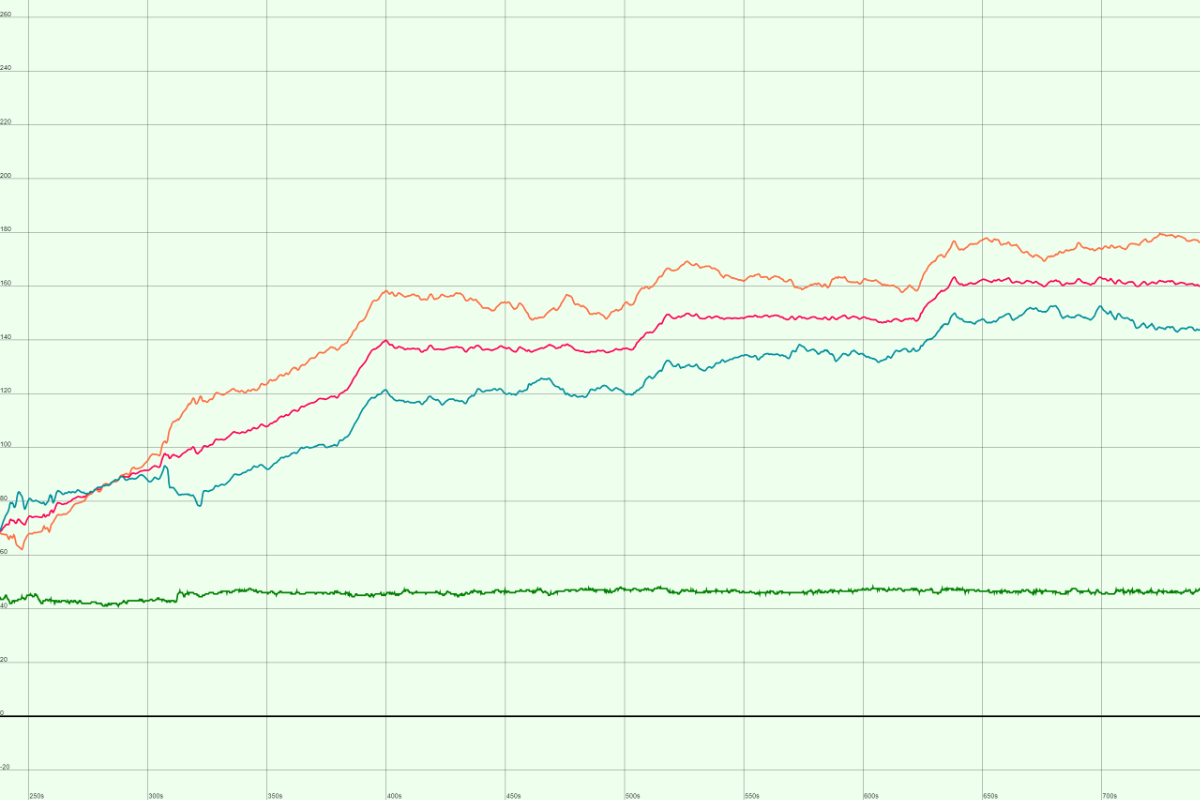
Single-sided vs dual-sided power meter data comparison graph.
Here we can see an example of different power measurements as a result of single-sided vs dual-sided power of a rider with a left/right leg imbalance. The orange line is a left-side-only power meter, the turquoise is a right-side-only power meter, and the pink line is from a dual-power meter, with the green line noting cadence. As you can see, this rider was putting out more power with their left leg than their right, and if using a single-sided power meter, would be getting slightly higher or lower total power readings than what they’re truly producing. The dual-sided power meter shows a line between the two left/right lines, which is exactly where it should be, as a reflection of the average output of their two legs.

Double-Sided May Be The Direction To Go If…
You’re looking for marginal gains in performance, working on power imbalance issues, or just a big fan of data analysis and cycling metrics. With each crank transmitting the unique data from each leg, you’re able to see in real-time and in post-ride analysis exactly what your pedalling output equates to. If you want to leave no stone unturned when it comes to honing your form, a dual-sided power meter is the ultimate tool for getting into the fine details. For those competing in Ironman triathlons, time-trials, competitive road races, and gravel stage races, the difference of a few percent in performance is huge.
Perhaps you’re returning from an injury, or have a habit of overcompensating with one leg, with dual-sided power, you’ll be able to see the disparity in left/right balance and take corrective actions to even things out. Additionally, the ability to use the metrics of pedal smoothness and torque effectiveness from both legs allows a dedicated rider to optimize their pedalling stroke and minimize any notable “dead spots.” These small gains can add up to big results when you factor in the countless hours of training and racing that a season entails, which can now be done with the highest degree of accuracy. The saying, “train smarter, not harder,” is certainly applicable here - or at least you can now train smarter AND harder!
Full details on the new PRECISION 3+ PRO Powermeter can be found here.

Frequently Asked Questions on Single-Side vs. Dual-Side Power
Are single-sided power meters accurate enough for serious training?
Yes, a single-sided power meter is an accurate and proven option for serious, quality training. Many professional teams and athletes use a single-sided power meter. A power meter is a reference to yourself first and foremost, so even if you have a slight imbalance between your left and right leg, the data you’re getting from one side is consistent with itself, and past power numbers.
Is a dual-sided power meter worth the extra cost?
If having the most detailed data possible is something you value, then yes, the extra cost makes a dual-sided power meter worth the price difference. For those wanting to know the exact power output of each leg, whether it be to work on imbalance issues, returning from an injury, or just for the insight into their riding tendencies, it’s a great option. If you’re budget-conscious but still want the benefits of a dual power meter, the Factory Installed PRECISION 3+ PRO is one of the most affordable dual options available on the market.
What is left/right balance, and do I need it?
Left/right power balance in cycling is one of the most valuable metrics a dual-sided power meter unlocks. It shows you what percentage of work each leg is doing while pedalling — a perfectly balanced output reads as 50%/50%, which is ideal. In reality, most riders have a slight imbalance between their left and right leg (1-3%), as we all tend to have a dominant leg. While it’s not necessary to monitor constantly, tracking it can help you even out the workload and inch closer to that 50%/50% split.
Can I upgrade from single-sided to dual-sided later?
Upgrading from a single to a dual-sided power meter at a later date is possible with certain crankset models. If a dual-sided option is listed for your model of crankset on our Factory Install dropdown menu, then yes, it is possible to upgrade it.

Do professional cyclists use single or dual-sided power meters?
We have professional teams and athletes using a mix of single-sided and dual-sided power meters on their bikes. It’s highly dependent on the cranksets they use and the clearance between the frame and crankset, but when it’s possible, most will opt for dual-sided. As high-performance cycling is their career, they want as much insight and data into their training and racing as possible, so they can find any weaknesses and work to improve them.
Which is better for triathletes — single or dual?
The best option for triathletes, as is true for cyclists of all disciplines, is the one that aligns with your crank/bike compatibility, budget, and personal preference for data, like left/right balance. That being said, with a discipline that is so leg-heavy, knowing that you’re keeping your power output balanced on the bike could pay dividends on the run segment that follows. It also gives you something to focus on in longer TT’s, like those in Ironman and 70.3 events.
What is the difference in price between single and dual?
The price difference between single-sided and dual-sided power meters varies, depending on whether you’re looking for a Factory Install or Ride Ready version, and which model of crankset you’re looking to purchase, if going the Ride Ready route. Prices can be found on the 4iiii site for the specific option you’re interested in.
Does a single-sided power meter work for MTB and gravel?
Yes, a single-sided power meter is a great option for MTB and gravel bikes, with dual-sided power available for specific crank models as well. A complete list of crank compatibility options can be found on the 4iiii site, on the “Compatible Left Crank” dropdown menu.

A Guide To Choosing Single or Dual-Sided Power
| Rider Type | Recommendation |
|---|---|
| Beginner/first power meter | Single-sided |
| Budget-conscious rider | Single-sided |
| Triathlete/time trialist | Dual-sided |
| Injury rehab/power imbalance | Dual-sided |
| Competitive racer | Dual-sided |
| MTB/gravel rider | Single-sided or Dual-sided |
| Coach working with athletes | Dual-sided |
As we’ve covered, choosing between a single-sided and dual-sided power meter largely depends on your goals and budget. A single-sided power meter is a cost-effective, accurate, and simpler option that doubles data from one leg, making it ideal for beginners, budget-conscious riders, and general training. In contrast, a dual-sided power meter measures both legs independently to provide detailed metrics like left/right balance, making it the preferred choice for competitive athletes, triathletes, and those working through injuries or seeking marginal performance gains. Ultimately, both options are reliable, sharing high-level features such as +/- 1% accuracy, IPx7 water resistance, and Apple Find My integration.
Not sure which model fits your bike? Check out our Complete 4iiii Power Meter Buying Guide